

Breaking ground on a construction project is exciting, but rushing into it without proper site preparation is a recipe for costly mistakes and delays. Whether you’re building a custom home, adding an addition, or developing commercial property, the work that happens before the first foundation is poured determines the success of everything that follows. Professional excavation Park City services understand that thorough site preparation isn’t just moving dirt—it’s creating the foundation for a successful build.
Here are the essential steps that must happen before any construction project begins.
Conduct a Comprehensive Site Survey
Before moving a single shovel of dirt, you need to know exactly what you’re working with. A professional land survey establishes precise property boundaries, identifies easements, locates existing structures, and maps elevation changes across your site.
This survey prevents boundary disputes with neighbors, ensures your building stays within property lines, and identifies potential challenges early. Many construction loans and permits require current surveys, so this step isn’t optional—it’s mandatory.
Hire a licensed surveyor to mark corners and boundaries with stakes or markers. These physical markers guide all subsequent site work and ensure everyone’s working within the correct parameters.
Obtain Necessary Permits and Approvals
Construction permits exist for good reasons—they ensure projects meet safety codes, zoning requirements, and environmental regulations. According to local building permit requirements essential guidelines, proper permitting protects both builders and future occupants.
Different projects require different permits. Residential construction typically needs building permits, electrical permits, plumbing permits, and potentially septic or well permits. Commercial projects often require additional approvals.
Start the permit process early—approval timelines vary significantly by location and project complexity. Some permits arrive in weeks; others take months. Factor these timelines into your construction schedule to avoid expensive delays.
Test and Analyze Soil Conditions
Not all dirt is created equal. Soil type, composition, and stability directly impact foundation design, drainage systems, and overall building integrity. Clay soils expand and contract with moisture changes. Sandy soils drain quickly but may lack structural support. Rocky soils present excavation challenges.
Geotechnical engineers perform soil tests by drilling core samples at various depths and locations across your site. Their analysis reveals bearing capacity, drainage characteristics, and potential issues like expansive soils or high water tables.
These tests aren’t cheap—typically running several hundred to several thousand dollars—but they’re cheap compared to foundation failures, settling issues, or drainage problems discovered after construction is complete.
Clear Vegetation and Remove Debris
Site clearing involves more than just cutting down trees. It includes removing stumps, brush, rocks, and any existing structures or debris. Thorough clearing provides clean working space and eliminates obstacles that could interfere with grading or construction.
Save valuable topsoil during clearing. This nutrient-rich layer is perfect for final landscaping but gets destroyed if mixed with subsoil during excavation. Strip and stockpile it separately for later use.
Consider which trees to save. Mature trees add property value and aesthetic appeal, but they need protection during construction. Establish tree protection zones and fence them off to prevent equipment damage to root systems.
Grade the Site for Proper Drainage
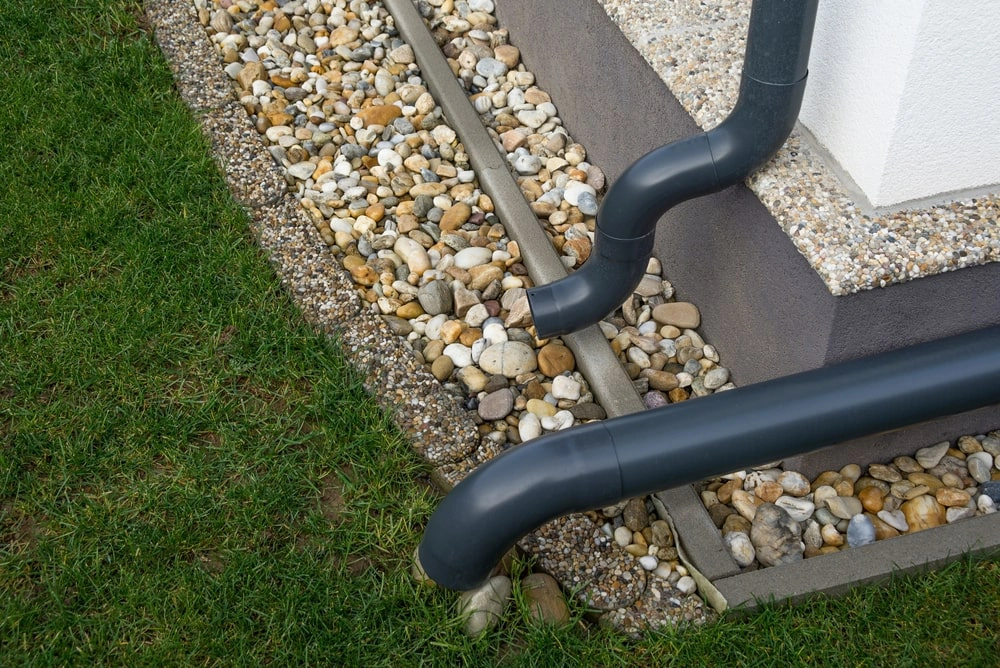
Proper grading is absolutely critical—poor drainage causes foundation problems, basement flooding, soil erosion, and landscape damage. Sites should slope away from structures, directing water toward appropriate drainage areas.
Rough grading happens before foundation work begins, establishing general contours and elevations. Final grading happens after construction, creating precise slopes and drainage patterns around completed structures.
Professional grading considers natural water flow patterns, neighboring properties, and local drainage requirements. Understanding effective property drainage solutions best practices helps prevent costly water-related problems.
Install Temporary Access Roads
Construction equipment is heavy and frequent. Without proper access roads, you’ll quickly turn your site into a muddy, rutted mess that’s difficult and dangerous to navigate.
Temporary access roads provide stable routes for delivery trucks, equipment, and workers throughout construction. They’re typically built with compacted gravel or crushed stone over geotextile fabric to prevent rutting.
Position access roads strategically to reach all work areas while minimizing disruption to existing site features you’re preserving. Plan for both equipment access and material delivery locations.
Mark Underground Utilities
This step is so critical it’s addressed separately in detail elsewhere, but it bears mentioning here: always locate and mark existing underground utilities before any excavation begins. Gas lines, electrical conduits, water mains, sewer lines, communication cables—they’re all hidden hazards.
Call 811 before you dig. This free service coordinates with utility companies to mark underground lines. Allow several days for marking to be completed before starting site work.
Final Preparations
With surveys complete, permits approved, soil tested, site cleared, grading planned, access established, and utilities marked, you’re finally ready to break ground. These preparation steps might seem tedious and expensive, but they prevent problems that cost far more to fix after construction begins.
Proper site preparation is the foundation of successful construction. Skip these steps at your peril—the time and money saved upfront will be paid back many times over in delays, corrections, and complications. Do it right from the start, and your project will proceed smoothly from groundbreaking to completion.
