

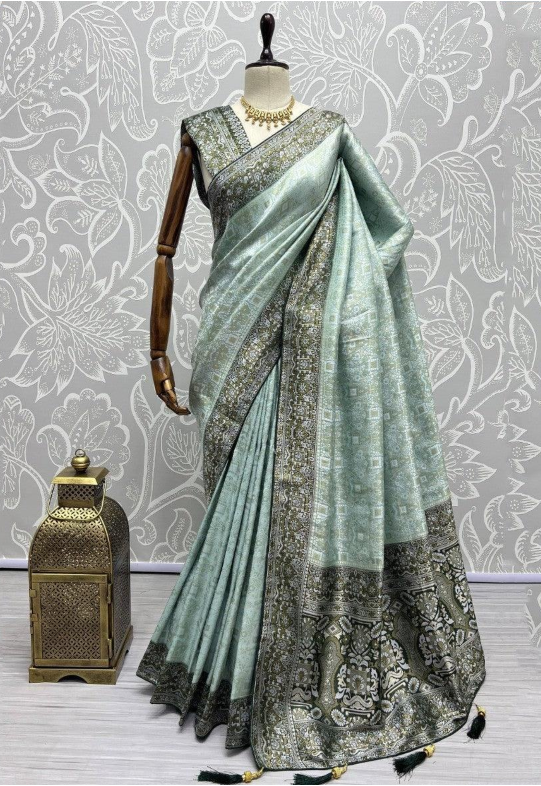
Fashion trends evolve with every season, yet certain textiles continue to hold a special place because of their craftsmanship and cultural value. Among India’s finest traditional garments, the Silk Saree stands as a symbol of elegance, artistry, and heritage. Worn during weddings, festivals, and important family occasions, it represents much more than a beautiful outfit; it reflects generations of skilled weaving and timeless design.
One of the most admired examples of this craftsmanship is the Banarasi Saree. Famous for its intricate weaving and luxurious appearance, it has remained a cherished part of Indian fashion for centuries. While contemporary styles continue to emerge, the popularity of silk sarees proves that true craftsmanship never goes out of fashion. Understanding their heritage offers a deeper appreciation for the tradition and dedication behind every woven masterpiece.
A Tradition Woven Through Generations
India has a rich history of textile craftsmanship, with weaving traditions passed down from one generation to the next. Long before mechanised production became common, skilled artisans created fabrics entirely by hand, dedicating weeks or even months to completing a single saree.
Silk weaving became one of the country’s most respected crafts because it combined artistic creativity with technical precision. Every design reflected local culture, craftsmanship, and regional identity, making each saree more than just a garment.
Even today, many weaving communities continue to preserve these traditions despite the rapid growth of modern fashion.
Why Silk Has Always Been Special
The popularity of the Silk Saree is closely linked to its natural beauty and durability. Silk offers a distinctive texture, graceful drape, and subtle sheen that make it suitable for both grand celebrations and meaningful family occasions.
Unlike fabrics that become fashionable for only a few seasons, silk has maintained its reputation for centuries because of its timeless appeal. It combines luxury with practicality, allowing sarees to remain beautiful when cared for properly. This lasting quality explains why silk garments are often treasured and passed down as family heirlooms.
The Legacy of Banarasi Weaving
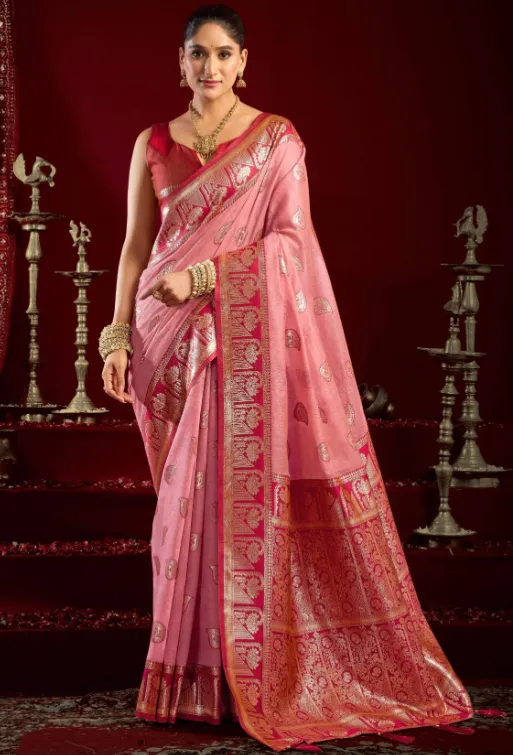
Among India’s many weaving traditions, the Banarasi Saree occupies a unique position. Originating from the historic city of Varanasi, it is admired for its detailed craftsmanship and elegant woven patterns.
Instead of relying on printed designs, Banarasi weaving creates intricate motifs directly within the fabric using specialised weaving techniques. Floral patterns, traditional artwork and decorative borders are carefully integrated into the saree, reflecting the remarkable skill of experienced artisans.
This attention to detail has made Banarasi sarees one of the most respected forms of Indian textile art.
Craftsmanship That Requires Patience
Creating a traditional silk saree is a time-intensive process involving several stages before the finished garment reaches the wearer.
The process generally includes:
- Preparing high-quality silk yarn.
- Designing intricate weaving patterns.
- Setting up the weaving loom.
- Hand-weaving detailed motifs.
- Completing careful finishing and quality checks.
Each step demands precision and experience, highlighting the dedication required to preserve traditional weaving techniques.
Why Heritage Matters in Modern Fashion
Fast fashion has made clothing more accessible than ever, but it has also increased appreciation for handcrafted textiles. Many people now value garments that tell a story rather than simply following seasonal trends.
A Silk Saree represents this philosophy by celebrating craftsmanship instead of mass production. Likewise, a Banarasi Saree reflects centuries of artistic tradition, making it meaningful beyond its visual appeal. Choosing handcrafted clothing also supports skilled artisans who continue to preserve traditional weaving practices in an increasingly competitive industry.
Preserving Traditional Textiles for Future Generations
As fashion evolves, preserving textile heritage becomes increasingly important. Younger generations are discovering the beauty of traditional weaving not only for cultural reasons but also because handcrafted garments offer individuality and lasting quality.
Many designers are introducing contemporary interpretations while respecting traditional techniques, helping heritage textiles remain relevant in modern wardrobes. This balance between innovation and preservation ensures that future generations continue to appreciate the artistry behind Indian weaving traditions.
More Than a Fashion Choice
Owning traditional textiles often carries emotional value. Families frequently preserve heirloom sarees because they represent important celebrations, memories, and family history.
Unlike garments purchased only for temporary trends, handcrafted sarees become part of personal stories that continue across generations. Their value lies not only in their appearance but also in the heritage they preserve. This emotional connection explains why traditional silk sarees continue to occupy a special place in Indian households.
Final Thoughts
The enduring popularity of the Silk Saree reflects the remarkable craftsmanship, cultural significance, and timeless elegance that have defined Indian textiles for centuries. Its graceful appearance and lasting quality make it far more than a festive outfit; it represents an artistic tradition that continues to inspire fashion lovers around the world.
Similarly, the Banarasi Saree stands as a tribute to generations of skilled artisans whose dedication has preserved one of India’s most celebrated weaving traditions. As fashion continues to evolve, appreciating heritage textiles ensures that craftsmanship, culture and timeless design remain an important part of the future as well as the past.
