

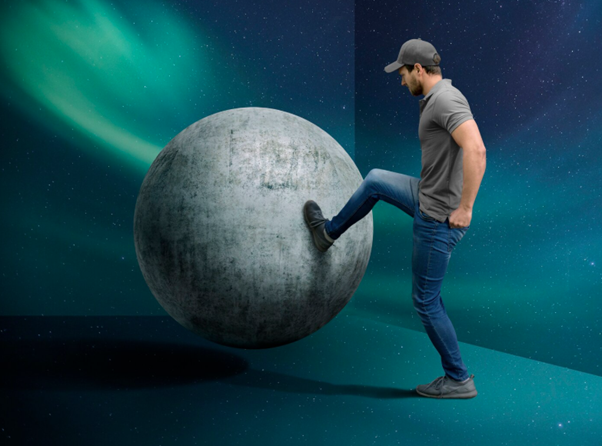
Many adults start questioning routines and personal direction during middle age without fully understanding those feelings initially. The concept of human design Uranus opposition usually connects with disruption, independence, and changing personal priorities afterward. People sometimes notice stronger emotional reactions toward work, relationships, and long-standing responsibilities unexpectedly later. Those periods often encourage deeper personal reflection and lifestyle evaluation gradually.
Saturn Cycles Influence Emotional Growth
Long-term maturity themes appear strongly during major life transitions connected with emotional responsibility and personal structure regularly. A typical Saturn return human design discussion often examines decision-making habits and repeated behavioural patterns carefully afterward. Many individuals experience pressure around career choices, stability, and relationship expectations during those years continuously. Reflection usually becomes unavoidable throughout emotionally demanding transition periods later.
Personal direction sometimes changes suddenly
People entering transitional phases often develop stronger interest in independence and personal authenticity afterward consistently. The idea behind human design Uranus opposition focuses heavily on breaking routines that no longer feel emotionally satisfying gradually over time. Sudden lifestyle adjustments may also appear more appealing during emotionally restless periods regularly. Those experiences usually affect communication habits and long-term planning choices significantly.
Emotional responsibility requires honest reflection
Certain life phases force individuals to examine habits creating stress or emotional imbalance within daily routines repeatedly. A structured Saturn return human design interpretation often discusses discipline, boundaries, and long-term personal accountability carefully afterward. Emotional maturity generally develops through uncomfortable experiences rather than immediate clarity or continuous external validation. People, therefore, approach responsibilities differently after those transitional years eventually.
Relationships Often Experience Noticeable Shifts
Major energetic transitions sometimes change how individuals react within friendships, family structures, and romantic partnerships afterward consistently. Discussions around human design Uranus opposition frequently mention emotional distance, freedom needs, and changing social priorities gradually. Certain relationships strengthen through honesty, while others become difficult during periods of personal revaluation regularly. Emotional independence usually becomes an important recurring theme later.
Structured Thinking Becomes More Important
People navigating emotional transitions often seek stability through organised habits and clearer decision-making methods afterward carefully. A deeper Saturn return human design interpretation may encourage patience while reviewing personal responsibilities and long-term commitments consistently. Fast emotional reactions sometimes create unnecessary complications during already demanding transition periods unexpectedly later. Slower reflection therefore supports more balanced personal growth throughout challenging cycles.
Identity Questions Appear During Transitions
Life transitions frequently push individuals toward questioning identity, purpose, and emotional fulfilment inside everyday routines regularly afterward. The idea of human design Uranus opposition often highlights those moments where personal values change unexpectedly over time gradually. Career dissatisfaction and lifestyle restlessness may also become stronger during emotionally unsettled phases continuously. Many people respond differently depending on personal emotional awareness levels naturally.
Long-term reflection supports personal awareness
Spiritual systems often attract adults searching for practical explanations around emotional cycles and changing behavioural tendencies regularly afterward. A thoughtful Saturn return human design review may help individuals observe patterns affecting communication and decision-making more clearly. Consistent self-reflection usually improves awareness regarding emotional triggers and recurring personal frustrations gradually. Personal growth generally develops through observation rather than sudden transformation experiences.
Conclusion
Major life transitions often encourage deeper reflection because emotional priorities and personal expectations change naturally over time. Readers exploring theeyeofinnocence.com usually seek structured spiritual perspectives for understanding emotional growth and behavioural patterns carefully afterward. Ideas around the human design of the human design, Uranus competition, and Saturn return can additionally help round up more awareness to alter relationships, responsibilities, and private identities during the course of emotionally demanding interludes. Individuals curious about self-reflection must maintain their search for expert explanations by constantly staring at habitual emotional responses and long-term patterns of personal development.
