

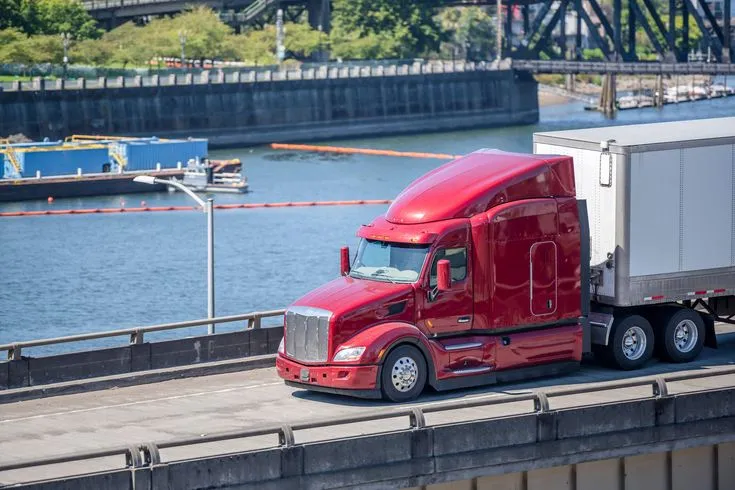
Atlanta is a key business and distribution hub where businesses frequently transfer goods from manufacturer to warehouse, supplier to customer and warehouse to customer. Enclosed trailers are a convenient solution for transporting general freight for many companies, particularly those that do not have the specialized equipment needed. Companies can better prepare their transportation with dry vans by understanding how this service connects to their supply chains and selecting the most appropriate ones for their business.
Why Businesses Use Dry Vans
A dry van trailer is a closed shell that is used to carry general freight that has no temperature control needs. They can help to keep packaging from getting damaged by rain, road debris and other outdoor elements during standard handling.
This means that goods like retail products, packaged goods, furniture, electronics, manufactured goods and more can be transported this way. Dry vans are versatile enough that they can be useful to companies with frequent deliveries between metropolitan and regional locations.
Supporting Atlanta Freight Movement
Organizations that require dry van trucking Atlanta can potentially involve moving goods from one warehouse to another, or from a warehouse to a distribution center or manufacturing plant to a commercial site within the locality.
Being in the center of a big transit network helps a lot if you sell goods to folks in Georgia and near it. Moving cargo fast is key. Items might leave a local hub first. Then they go to another shop or right to a door.
Each firm has different needs for moving stuff. Some teams need quick runs down the street every day. Others make long trips on a set schedule. When you know how your cargo moves, you can pick a freight setup that just works for you.
Choosing the Right Service
Not all dry van services are the same. Companies need to think about their usual cargo types and travel plans before they pick a team to haul their goods.
Important factors include:
-
Type of products being transported
-
Shipment weight and dimensions
-
Pickup and delivery locations
-
Required delivery windows
-
Shipment frequency
-
Loading and unloading requirements
This information can be beneficial for a transportation provider to get a better understanding of the shipment and what the best way to go about it is.
Think Beyond Distance
Distance is not the only aspect of transportation planning. When the pick-up site offers a limited number of loading hours, or the receiving site has an appointment system for receiving shipments, it can be important to coordinate a shipment that is not traveling a great distance.
Thus, businesses need to think about the movement of freight in the entire transportation process. Warehouse working hours, loading docks, appointment requirements and delivery procedures can impact the shipment.
Knowing these details can help companies plan their movements more predictably and ensure there’s no overcoordination between the shipping and receiving departments.
Working With Transportation Providers
Instead of checking out only one of the above, companies need to check out the dry van companies Atlanta that correspond to their needs.
Communication is essential. Shippers may require information on pick-up and delivery or changes to an appointment. These can be easier to deal with if the communication process is clear.
Knowledge about similar freight will also be beneficial. If the provider is knowledgeable about general commercial shipments, he or she might be familiar with the usual loading requirements and documentation needs.
Preparing Freight Properly
The first step in good preparation is before the truck arrives. Cargo should be properly packaged and loaded in a manner that enables the safe loading and securing of cargo.
If any details are incorrect, businesses should make sure to communicate accurately regarding the weight, size, number of pallets and special handling needs of the shipment. Mistakes will cause planning to be more difficult and could influence the choice of equipment.
Having confirmation of pickup and delivery directions in advance is also beneficial. Availability of docks, hours for receiving, and simple details can make a significant difference in the transportation process.
Building a Consistent Shipping Process
If your business has freight services that will be repeated, you should look for a process that can be replicated. Clear paperwork, clear pick-up steps and simple contact plans can help you keep daily shipments moving smoothly on a set schedule every time.
A transportation company ought to be aware of the company’s usual routes and delivery patterns. This familiarity will enable both parties to communicate more effectively in the future when loads are being scheduled.
It’s still important for businesses to periodically audit their transportation requirements. Freight needs can be changing due to business growth, new customers, warehouse relocation and seasonal demand.
Conclusion
If your business is moving many types of general goods, dry van shipping may be an effective way to help Atlanta businesses transport their goods. The best answer will depend on the characteristics of the cargo, the delivery requirements, frequency of delivery and the locations involved. By developing precise shipment data, assessing providers’ skills and setting up communication protocols, businesses can make better moves in the realm of transportation planning. For companies looking for dry van and other freight transportation solutions, they can get more information about dry van services at ykfreight.com that are tailored to their shipping needs.
