

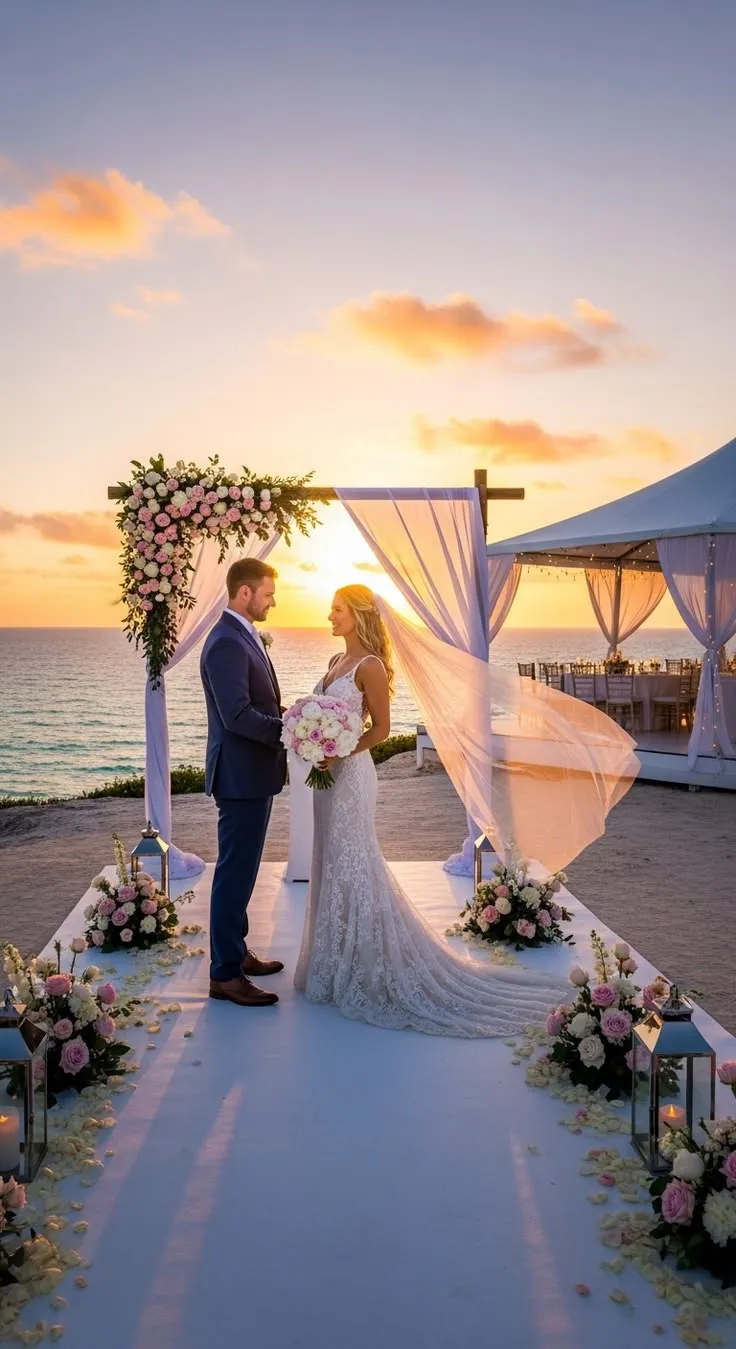
A beautiful venue can still create difficulty if important parts of the wedding require long walks, steep paths, stairs, or repeated movement between spaces. Accessibility planning is not only about formal requirements; it also helps parents, grandparents, guests with mobility needs, and the couple move comfortably through the celebration. Photography benefits from the same thinking. When portrait locations, ceremony routes, and family-photo plans are chosen realistically, meaningful people can remain involved without being asked to navigate spaces that are tiring, unsafe, or impractical.
Review the Venue as a Guest Would
Venue tours often focus on the ceremony backdrop, reception room, and scenic portrait possibilities. Couples should also walk the routes guests will actually use. Check the distance from parking to the ceremony, the condition of paths, the presence of steps, and whether restrooms are easy to reach.
Anyone arranging asheville nc wedding photography should consider whether the most attractive areas of a property are accessible to everyone who may be included in photographs. A dramatic overlook loses its value if an important family member cannot reach it comfortably.
Bring Portraits to People When Needed
Family photographs do not have to happen in the most scenic part of the venue. If grandparents or relatives have limited mobility, choose a comfortable, nearby location with suitable light and enough room for the necessary groups.
The couple can move between positions more easily than asking several relatives to travel across the property. This also keeps formal portraits efficient. Photographs of important people matter because of the relationships they preserve, not because every frame contains the largest mountain view.
Plan Seating Around Important Moments
Ceremony seating can affect both comfort and visibility. Guests who need easier access may benefit from aisle seats, shorter routes, or places close to an entrance. Couples should also think about whether wheelchairs, walkers, or other mobility aids can be accommodated without narrowing major walkways.
Good positioning helps photography as well. Clear routes allow the photographer to move without disturbing guests, while thoughtful seating makes it easier to capture reactions from parents and grandparents without asking them to relocate repeatedly.
Keep Weather Part of the Accessibility Plan
Mountain weather can make an otherwise manageable route much more difficult. Grass becomes slippery after rain, gravel can be challenging for some mobility devices, and heat or cold may make long outdoor periods uncomfortable.
Couples working with a wedding photography asheville nc professional can identify indoor, covered, or level alternatives before the wedding. A backup portrait location should not merely exist; it should be genuinely usable by the people expected to join those photographs.
Planning alternatives early prevents accessibility from becoming a last-minute compromise.
Consider the Pace of Family Photos
A long list of group combinations can be tiring, particularly for older relatives or guests who cannot stand comfortably for extended periods. Prioritize the most meaningful combinations and photograph people with mobility needs early.
Providing a nearby chair between groups can make the process easier without changing the photographs themselves. Couples can also tell the photographer in advance if someone needs extra time to move, sit, or change position.
Think Beyond Physical Mobility
Accessibility can also involve hearing, vision, sensory needs, or fatigue. Clear ceremony audio, readable signage, quieter spaces, and predictable transitions may help guests participate more comfortably.
These considerations can improve photographs indirectly because people are more engaged when they understand what is happening and can move through the celebration confidently. A quiet room may also help anyone who becomes overwhelmed during a loud reception.
The objective is to make the main celebration easier to share.
Ask Questions Before Booking
Couples should ask venues practical questions before signing. Are there accessible entrances? Is transportation available between distant areas? What happens if rain makes an outdoor path unusable? Can seating arrangements be adjusted easily?
Photographers can also be told about mobility considerations before the wedding so portrait locations and timing can be planned appropriately. The information does not need to be complicated; it simply helps everyone avoid assumptions.
Conclusion
Accessible wedding planning strengthens the guest experience while making photography more inclusive and efficient. Level routes, realistic portrait locations, comfortable seating, thoughtful weather alternatives, and concise family-photo plans allow important people to remain part of the day without unnecessary physical demands. Couples do not have to sacrifice beautiful photographs to make a venue easier to navigate. In fact, planning around real people often produces a more meaningful gallery because the focus stays on relationships rather than forcing everyone toward a particular backdrop. The best wedding plan allows the people who matter most to participate comfortably from beginning to end.
