

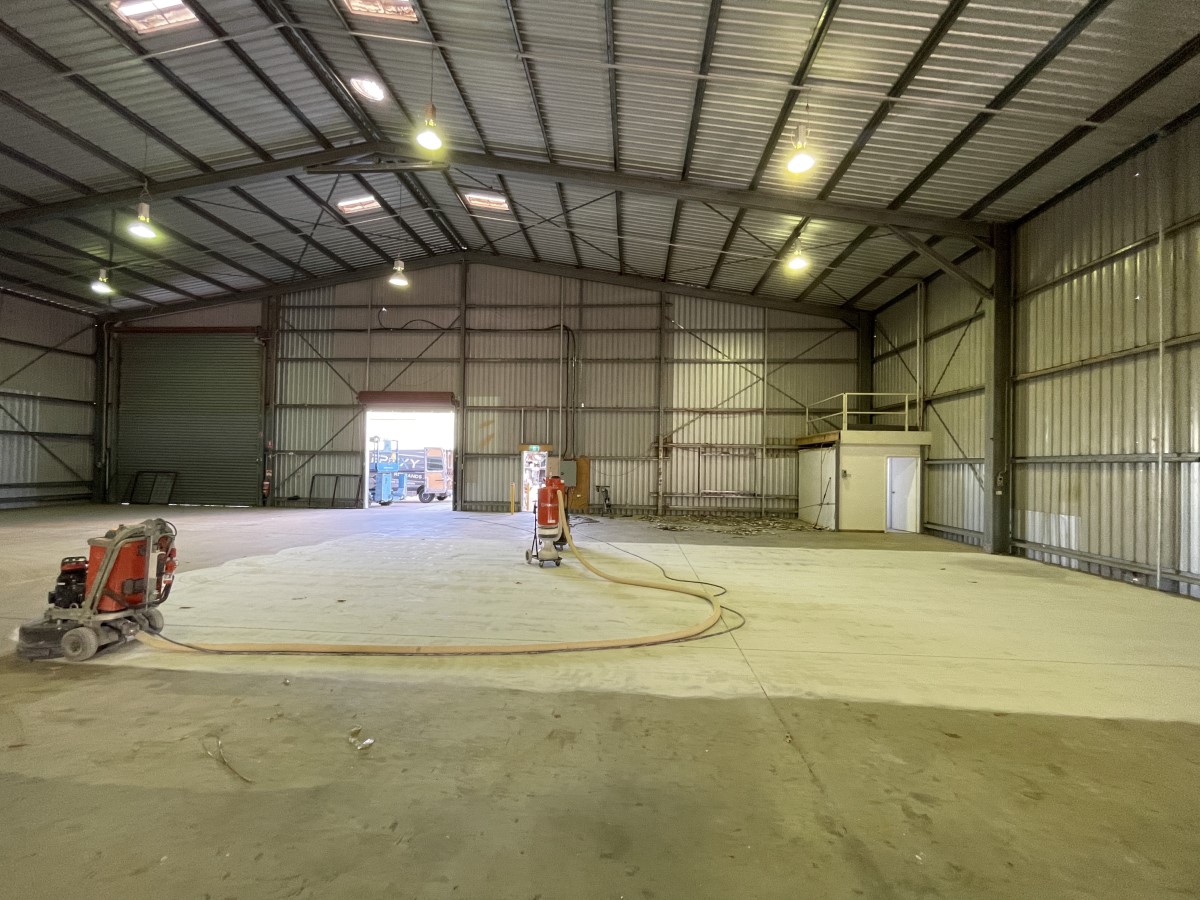
A new concrete floor finish can only perform as well as the surface underneath it. Property owners planning floor preparation should therefore think about the slab before choosing colour, texture, or gloss. Existing coatings, cracks, uneven areas, adhesive residue, and contamination can all change what work is needed before the final flooring system is installed.
Preparation is not one single task. Depending on the slab, it may involve grinding, coating removal, repairs, levelling, cleaning, and checking whether the surface is suitable for the finish that will follow.
Inspect the Floor Before Ordering Materials
A detailed inspection helps reveal what the concrete actually needs. Old paint, glue, oil stains, weak patches, high spots, and low areas may all affect the preparation plan.
If the project will later use concrete coatings, the condition of the substrate becomes especially important because the new system needs a clean, properly prepared base. Choosing products before understanding the slab can lead to extra work or unsuitable material decisions once preparation begins.
Separate Cosmetic Problems From Functional Ones
Not every visible mark needs the same response. A stain may be largely cosmetic, while a loose coating, deep crack, or uneven section can affect the performance of the new floor.
Property owners should identify which problems need removal, repair, or levelling before the finish is selected. This makes the scope clearer and helps prevent a decorative layer from being used to hide defects that should have been addressed first.
The goal is not necessarily to make old concrete look perfect before coating. It is to create a sound and appropriate surface for the next system.
Use Mechanical Preparation Where It Fits
Mechanical grinding is commonly used to remove old surface material and create the concrete profile needed for many flooring systems. Different slabs can vary in hardness, texture, and composition, so tooling may need to change from one project to another.
Grinding can also expose defects that were less obvious beforehand. Once old coatings or contamination are removed, cracks and damaged areas can be assessed more accurately.
Edges and tight areas should receive the same attention as the open floor. Consistent preparation across the whole slab helps the final finish look and perform more evenly.
Level the Floor Before Installing a New Finish
Uneven concrete can create practical problems, especially when new tile, vinyl, timber, or resin flooring is planned. Low areas may affect how the finished surface sits, while high points can interfere with installation.
Levelling compounds can be used in suitable situations to create a flatter base. The exact product and method should match the substrate and the type of floor that will be installed over it.
It is also important to understand the difference between levelling and structural repair. A levelling product can correct surface variation, but it should not be expected to solve deeper movement or building-related issues.
Repair Cracks and Damaged Areas Early
Cracks, pits, and spalled sections should be dealt with before the final finish goes down. Once the floor is coated or covered, those areas become harder to access.
Different defects may need different repair methods. Stable shrinkage cracks, more serious damage, and moving joints should not automatically be treated as the same problem.
Repairs may remain slightly visible beneath some decorative finishes, so realistic expectations should be discussed before installation begins.
Plan the Finish Around the Prepared Surface
Preparation can reveal whether the original flooring idea is still the best choice. A heavily patched slab may not suit an exposed concrete finish, while a properly repaired surface may work well beneath a decorative resin system.
Traffic, moisture, cleaning, sunlight, and desired appearance should all be considered once the concrete is ready. This order keeps performance decisions connected to the actual condition of the slab.
It also reduces the chance of buying a finish first and then forcing the preparation process to fit it.
Schedule Enough Time for Preparation
Preparation often takes longer than property owners expect. Coating removal, grinding, repairs, levelling, cleaning, and curing between stages can all add time before the final floor is installed.
Commercial sites may need to move equipment or work in sections, while homeowners may need temporary access plans. Building realistic preparation time into the schedule can prevent the final installation from being rushed.
Conclusion
A quality concrete floor project begins before the visible finish is applied. Inspection, removal, grinding, levelling, repairs, and cleaning all influence whether the new flooring system has a suitable foundation.
By planning preparation first, property owners can make better decisions about the finish that follows. The result is a project built around the real condition of the slab rather than one that depends on a decorative surface to hide problems underneath.
